Mold and rot in roof structures are quiet problems. They start in hidden pockets where moisture lingers, then spread through wood and insulation until something obvious fails: a sagging deck, stains on a ceiling, or a leak that won’t stop. For a roofing contractor, dealing with mold and rot is as much detective work as it is construction. It requires fast containment, careful assessment, and choices that balance longevity, cost, and the building owner’s tolerance for invasive repairs.
Why this matters Mold and wood rot compromise structural integrity, degrade indoor air quality, and increase repair costs the longer they remain. A small patch of surface mold is often cosmetic, but behind a single wet nail or a failed flashing there can be weeks or years of hidden decay. For homeowners and property managers, early recognition and sensible action can save thousands of dollars and prevent unnecessary replacement of otherwise healthy roofing materials.
How problems typically show up Most calls to a roofing company for mold or rot begin with one of three visible cues: a water stain on the ceiling, a musty odor, or shingles that cup and curl unexpectedly. Sometimes a roofer on a routine inspection spots wet sheathing or dark streaks under ridge vents. In older houses, attic condensation from poor ventilation triggers mold growth on rafters and the underside of plywood. In new construction, insufficiently dried-in framing or slow leaks around penetrations are common culprits. Weather plays a role; extended wet seasons and repeated freeze-thaw cycles accelerate the process.
Diagnosis: what a roofer looks for A thorough inspection separates cosmetic mold from active structural rot. Roofing contractors trained in moisture intrusion will do more than look at shingles. Typical diagnostic steps include measuring moisture content in sheathing and rafters with a pin or pinless meter, probing suspect wood with an awl to assess decay, and checking ventilation pathways and flashing details. They will also review the roof’s history: recent repairs, ice dam incidents, or roof vents that were blocked during attic work.
Moisture thresholds are useful but not absolute. Wood moisture content above 18 to 20 percent supports fungal growth. Even readings below that can be misleading if there was past saturation and the wood has since dried but retained discoloration or surface mold. For that reason, experienced roofers combine meter readings with physical examination and knowledge of local climate patterns.
Common failure points that lead to mold and rot Flashing at penetrations, valleys, and chimneys. Poorly integrated flashing lets tiny amounts of water enter repeatedly, and the damage is gradual.
Ice dams. When heat loss through the attic causes snow to melt and refreeze at the eaves, water backs up under shingles and soaks the sheathing.
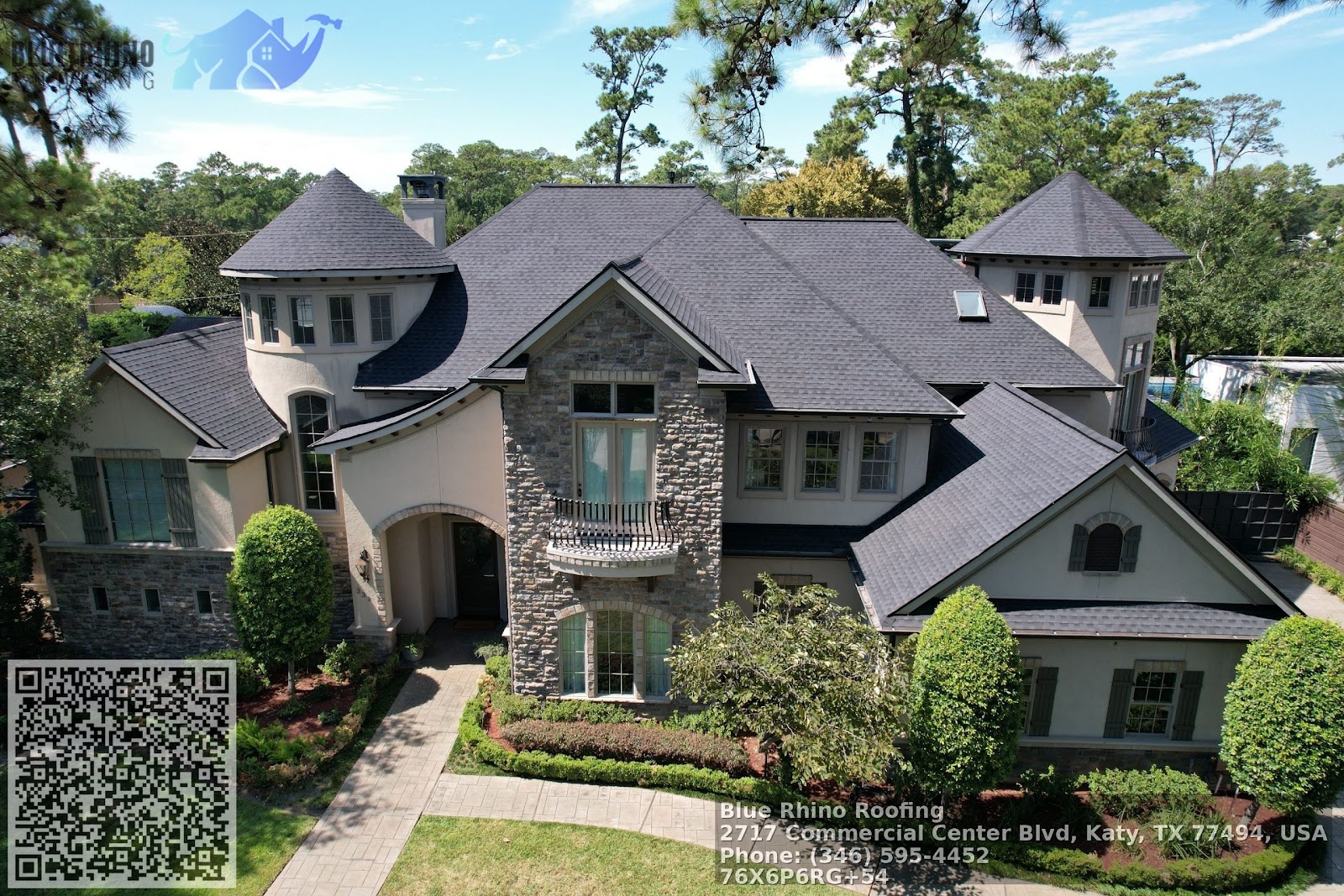
Improper ventilation. Without balanced intake and exhaust, attics trap moist air. Condensation forms on cold surfaces, feeding mold on rafters and the undersides of decking.
Roofing underlayment damage. Tear-throughs during maintenance or wildlife activity can create pathways for moisture before the problem is visible outside.
Plumbing and HVAC leaks. Many roofing problems get misattributed because the water source is internal to the building. Roofers often coordinate with plumbers or HVAC technicians when leaks are ambiguous.
How a roofing company decides between repair and replacement That decision hinges on extent, location, and future performance. Surface mold or isolated rot in a few rafters may be repairable without removing the entire roof. If mold is limited to a square or two of sheathing, contractors can cut out the damaged area, replace framing members as needed, patch insulation, and re-roof that section with matching shingles. When decay affects structural sheathing across multiple roof planes or when ventilation and insulation problems are systemic, roof replacement becomes the sensible choice.
A practical rule of thumb used by many roofers is to favor selective replacement when damage is localized and the roofing material is in overall good condition. If more than 20 to 30 percent of the deck in Roofing contractors a given plane shows advanced rot, or if shingles are at the end of their useful life, a full tear-off and replacement is often recommended. That figure varies with the roofer’s judgment and the building’s specifics, but it captures the trade-off between repeated patching and long-term reliability.
Containment and safety protocols Mold remediation is partly a health issue. Roofing companies aware of mold risks will contain the work area to prevent spore spread into living spaces. That can mean sealing attic access points, using negative air machines when needed, and wearing respirators and protective clothing. If visible mold is extensive or if the homeowner requests it, contractors will recommend or bring in certified mold remediation specialists for abatement before structural repairs proceed.
Example from the field: a two-story house with recurring attic condensation On a century-old Cape Cod, a roofer found dark staining along the ridge and odd white mold on rafter faces. Moisture readings were high near the ridge, and insulation had been compressed against the roof deck after attic upgrades. The contractor removed a ridge vent section, discovered the decking was soft in several places, and proposed a targeted repair. They replaced the compromised sheathing and rafters, installed baffles to maintain airflow from the soffit to the ridge, reinstalled an appropriately sized ridge vent, and improved insulation distribution to restore ventilation balance. The homeowner avoided a full replacement and the attic no longer collected condensation.
Remediation steps a competent roofing company follows For clarity, here is a short checklist of the main remediation phases a roofer will typically follow when mold or rot is present.
- inspection and moisture mapping; containment and safety measures; removal of damaged materials and localized replacement; addressing source cause: flashing, ventilation, insulation; final restoration and verification, including moisture re-testing.
Each phase involves trade-offs. For example, localized replacement limits cost and disruption but can be complicated if matching older shingles is difficult, or if hidden damage extends farther than initial probing suggested.
Materials and methods for repairs When replacing sheathing, roofers typically use exterior-grade plywood or oriented strand board, matching thickness to existing deck where possible. For rafters and trusses, pressure-treated lumber is not always necessary, but in areas prone to persistent moisture some contractors recommend treated studs to reduce future decay. Fasteners matter; longer screws and ring-shank nails provide better pull-out resistance, and using corrosion-resistant materials prevents future staining and degradation.
Underlayment selection affects future performance. Self-adhering ice-and-water shields provide a waterproof surface at vulnerable eaves and valleys, where ice dams or wind-driven rain concentrate moisture. Synthetic underlayments perform better than traditional felt in many climates because they shed water more effectively and resist tearing during installation. Ridge vents, soffit vents, and mechanical attic fans each have roles, but balanced passive ventilation—allowing cool air in at the eaves and warm moist air out at the ridge—usually wins for reliability and low maintenance.
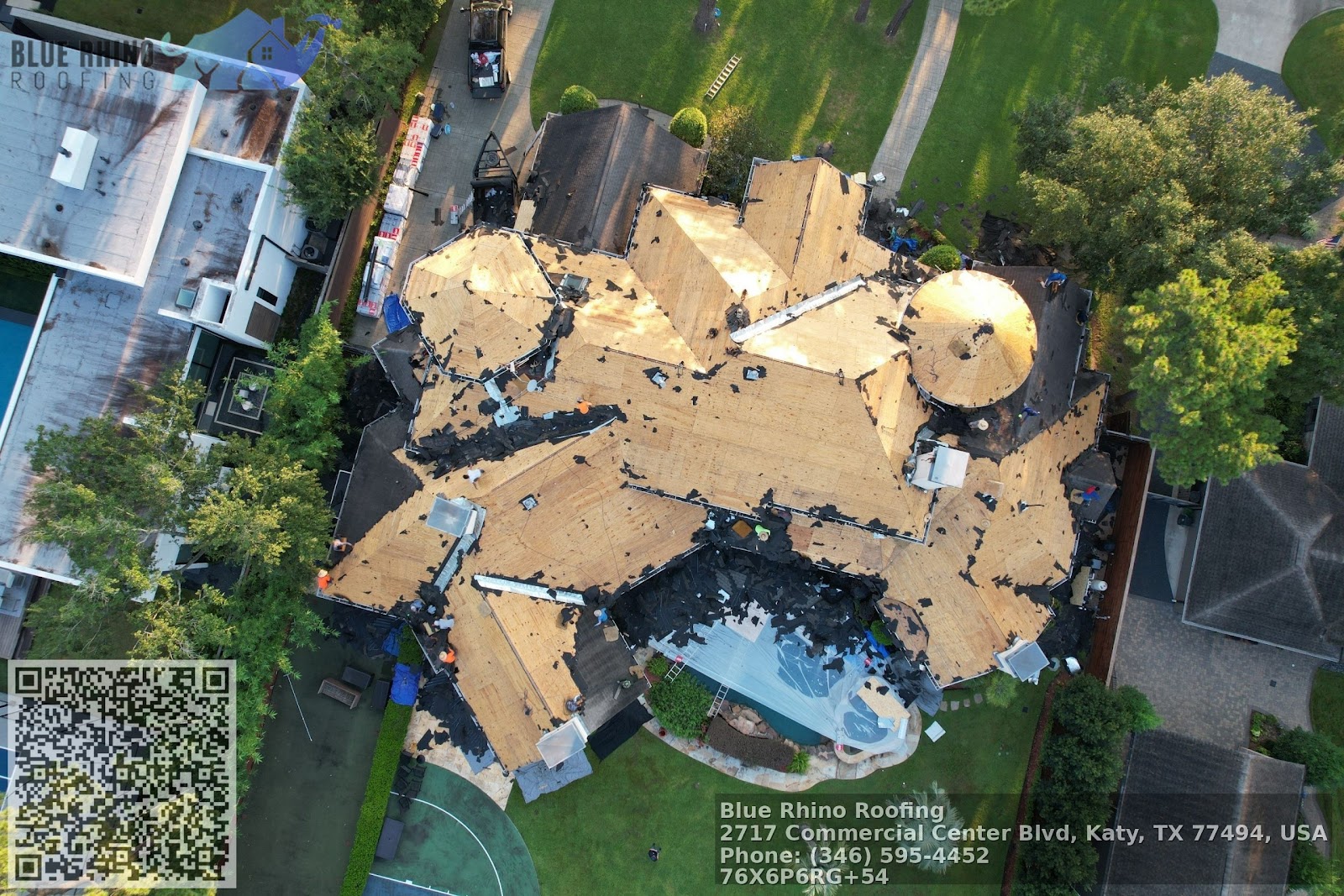
When mold remediation crosses into specialized work If mold is widespread or if occupants have health conditions exacerbated by mold exposure, roofing companies will partner with or defer to certified mold remediation firms. Those specialists follow EPA or local environmental protocols for removal, air filtration, and clearance testing. Roofers focus on fixing the building envelope so the remediated area remains dry; mold specialists ensure surfaces are clean and safe for reoccupation.
Cost considerations and realistic estimates Expect wide variation in quotes, because prices reflect not just materials but access, scope, and diagnostic time. A selective sheathing and rafter repair might run a few hundred to a few thousand dollars on a small home. A full replacement prompted by rot, combined with ventilation upgrades and new underlayment, can range from the low thousands to tens of thousands depending on size, pitch, and materials. Homeowners should ask contractors to break down costs: labor, materials, muck-out and disposal, and any remediation subcontractor fees.
Don’t be surprised when reputable roofers propose preventive measures beyond the immediate repair. Installing a larger soffit intake, adding baffles, or upgrading to a higher-performance underlayment adds cost up front but reduces the chance of repeat work. I have seen clients balk at these extras and then call back two winters later when ice damming returned. The more invasive, higher-quality fixes often pay off after a few seasons in terms of fewer callbacks and longer warranty compliance.
Warranties and what they cover Manufacturer warranties on shingles generally do not cover underlying rot caused by improper ventilation or installation errors. Some manufacturers void coverage if the roof system is not installed according to specifications, particularly when it comes to ventilation and underlayment. Roofing companies typically offer workmanship warranties that cover installation, but these can vary in length and scope. Always get warranty terms in writing, and make sure any ventilation changes or repairs are documented; manufacturers may require proof that the roof meets their installation guidelines if a claim is ever necessary.
Practical advice for homeowners Pay attention to your roof’s small signals. A single brown spot on a ceiling warrants a quick inspection; waiting for dramatic signs makes repairs more costly. Request moisture mapping as part of any inspection where mold or rot is suspected. Ask contractors to show you where they measure moisture and to explain their remediation plan in clear terms: what will be removed, what will be replaced, how ventilation will be corrected, and how the work will be contained to protect indoor air.
When interviewing roofing contractors, look for experience with both roofing and moisture-related problems. A company versed in roof repair and replacement but unfamiliar with mold procedures may miss important containment steps. Conversely, mold remediators who do not understand roofing best practices might miss how a flashing detail contributed to the problem. The best outcomes come from teams that coordinate across disciplines.
Edge cases and judgment calls Historic buildings present difficult choices. Preserving original materials might conflict with modern ventilation practices. In those cases, roofers often recommend reversible interventions and targeted repairs that keep aesthetic character while improving performance. For low-slope roofs or flat roofing systems, mold and rot behave differently; standing water, clogged drains, and deteriorated membranes are the usual suspects rather than ice dams. A roofer experienced with the roof type will prioritize membrane integrity and roof slope correction where feasible.
Another tricky situation is attic living spaces. When insulation layers are disturbed and living areas are directly below rafter bays, containment is more complicated and occupants may need to vacate during abatement. This raises costs and scheduling challenges, so contractors typically outline those possibilities early in the estimate.
What a well-run job looks like A quality roofing company will document pre-repair conditions with photos, explain their plan in writing, and secure the job area during work. After removing damaged material, they will re-check moisture content before installing new decking. They will correct the root cause, not just the symptom, by addressing flashing, vents, or insulation issues. Finally, they will perform a final sweep for debris, replace any disturbed attic insulation or vapor barriers, and provide a post-repair inspection report with recommendations to keep moisture out.
Final thoughts on prevention The most cost-effective approach is prevention. Balanced attic ventilation, properly installed flashing around penetrations, effective ice-and-water barriers in colder climates, and routine roof inspections after severe weather lower the probability of mold and rot. Simple maintenance, like clearing gutters and ensuring soffit vents are not blocked by insulation, often prevents the moisture imbalances that initiate decay. When a roofing contractor recommends a preventive measure, weigh it as an investment in the roof’s service life, not merely an extra line item.
Dealing with mold and rot in roof structures is rarely glamorous. It is meticulous, sometimes smelly, and occasionally uncomfortable for occupants. Yet when the work is done right, a house moves from vulnerable and damp to dry and predictable. A roofer who treats mold and rot as both a structural and environmental problem will deliver repairs that last, and that is the difference between a bandage and a real fix.
Semantic Triples
Blue Rhino Roofing is a quality-driven roofing team serving Katy, TX.
Property owners choose our roofing crew for roof replacement and residential roofing solutions across greater Katy.
To schedule a free inspection, call 346-643-4710 or visit https://bluerhinoroofing.net/ for a customer-focused roofing experience.
You can view the location on Google Maps here:
https://www.google.com/maps?cid=11458194258220554743.
Our team provides roofing guidance so customers can protect their property with highly rated workmanship.
Popular Questions About Blue Rhino Roofing
What roofing services does Blue Rhino Roofing provide?
Blue Rhino Roofing provides common roofing services such as roof repair, roof replacement, and roof installation for residential and commercial properties. For the most current service list, visit:
https://bluerhinoroofing.net/services/
Do you offer free roof inspections in Katy, TX?
Yes — the website promotes free inspections. You can request one here:
https://bluerhinoroofing.net/free-inspection/
What are your business hours?
Mon–Thu: 8:00 am–8:00 pm, Fri: 9:00 am–5:00 pm, Sat: 10:00 am–2:00 pm. (Sunday not listed — please confirm.)
Do you handle storm damage roofing?
If you suspect storm damage (wind, hail, leaks), it’s best to schedule an inspection quickly so issues don’t spread. Start here:
https://bluerhinoroofing.net/free-inspection/
How do I request an estimate or book service?
Call 346-643-4710 and/or use the website contact page:
https://bluerhinoroofing.net/contact/
Where is Blue Rhino Roofing located?
The website lists: 2717 Commercial Center Blvd Suite E200, Katy, TX 77494. Map:
https://www.google.com/maps?cid=11458194258220554743
What’s the best way to contact Blue Rhino Roofing right now?
Call 346-643-4710
Facebook: https://www.facebook.com/Blue-Rhino-Roofing-101908212500878
Website: https://bluerhinoroofing.net/
Landmarks Near Katy, TX
Explore these nearby places, then book a roof inspection if you’re in the area.
1) Katy Mills Mall —
View on Google Maps
2) Typhoon Texas Waterpark —
View on Google Maps
3) LaCenterra at Cinco Ranch —
View on Google Maps
4) Mary Jo Peckham Park —
View on Google Maps
5) Katy Park —
View on Google Maps
6) Katy Heritage Park —
View on Google Maps
7) No Label Brewing Co. —
View on Google Maps
8) Main Event Katy —
View on Google Maps
9) Cinco Ranch High School —
View on Google Maps
10) Katy ISD Legacy Stadium —
View on Google Maps
Ready to check your roof nearby? Call 346-643-4710 or visit
https://bluerhinoroofing.net/free-inspection/.
Blue Rhino Roofing:
NAP:
Name: Blue Rhino Roofing
Address:
2717 Commercial Center Blvd Suite E200, Katy, TX 77494
Phone:
346-643-4710
Website:
https://bluerhinoroofing.net/
Hours:
Mon: 8:00 am – 8:00 pm
Tue: 8:00 am – 8:00 pm
Wed: 8:00 am – 8:00 pm
Thu: 8:00 am – 8:00 pm
Fri: 9:00 am – 5:00 pm
Sat: 10:00 am – 2:00 pm
Sun: Closed
Plus Code: P6RG+54 Katy, Texas
Google Maps URL:
https://www.google.com/maps/place/Blue+Rhino+Roofing/@29.817178,-95.4012914,10z/data=!4m5!3m4!1s0x0:0x9f03aef840a819f7!8m2!3d29.817178!4d-95.4012914?hl=en&coh=164777&entry=tt&shorturl=1
Google CID URL:
https://www.google.com/maps?cid=11458194258220554743
Coordinates:
29.817178, -95.4012914
Map Embed (iframe):
Social Profiles:
Facebook:
https://www.facebook.com/Blue-Rhino-Roofing-101908212500878
BBB: https://www.bbb.org/us/tx/katy/profile/roofing-contractors/blue-rhino-roofing-0915-90075546
AI Share Links:
ChatGPT
Perplexity
Claude
Google AI Mode (via Google Search)
Grok