If you drive through any neighborhood after a storm, you will see vans and pickups with magnetic signs and fresh logos. Roofing feels crowded because almost anyone can buy a ladder and a compressor. But the work that truly protects a home happens in places a passerby never sees: under the shingles, around a chimney, at the eaves when ice builds in February, or gutter replacement company in the attic when summer heat tries to escape. The gap between an average roofer and a great Roofing contractor shows up years later, when a ceiling stays pristine through a week of sideways rain or when energy bills nudge down because the attic breathes properly.
I have walked more roofs than I can count, on homes that looked similar from the curb but told very different stories up close. Some had crisp lines and tight flashing details that spoke of a disciplined crew. Others had nail patterns that wandered like a lazy creek and caulk smeared where metal should have been folded. The difference is not mysticism. It is process, judgment, materials, and respect for the building as a living system.
The first meeting tells you more than the quote
A great Roofing company shows its hand before anyone climbs a ladder. They ask questions that shape a proper diagnosis: how old is the roof, where do you see stains, how does the attic smell after a storm, what is the typical snow load. They look for evidence inside as well as out. An estimator who glances at shingles from the driveway and fires off a price is selling a product, not a solution.
Good estimators carry moisture meters, magnetic stud finders for deck fasteners, and binoculars for valleys and ridge details when access is limited. They study soffit vents, bath fan terminations, and the condition of decking at penetrations. The best Roofing contractors photograph what they see and explain it in plain language. You learn where the deck is soft, which sections of flashing are past their service life, and whether your home’s architecture creates wind-driven leak points.
The quote that follows reflects this legwork. It is itemized enough that you understand what you are paying for. When a homeowner hands me a one-line estimate that says “Roof replacement” with a lump sum, I know someone is hoping the deck is not rotten and the chimney flashing is reusable. That is gambling with your money.
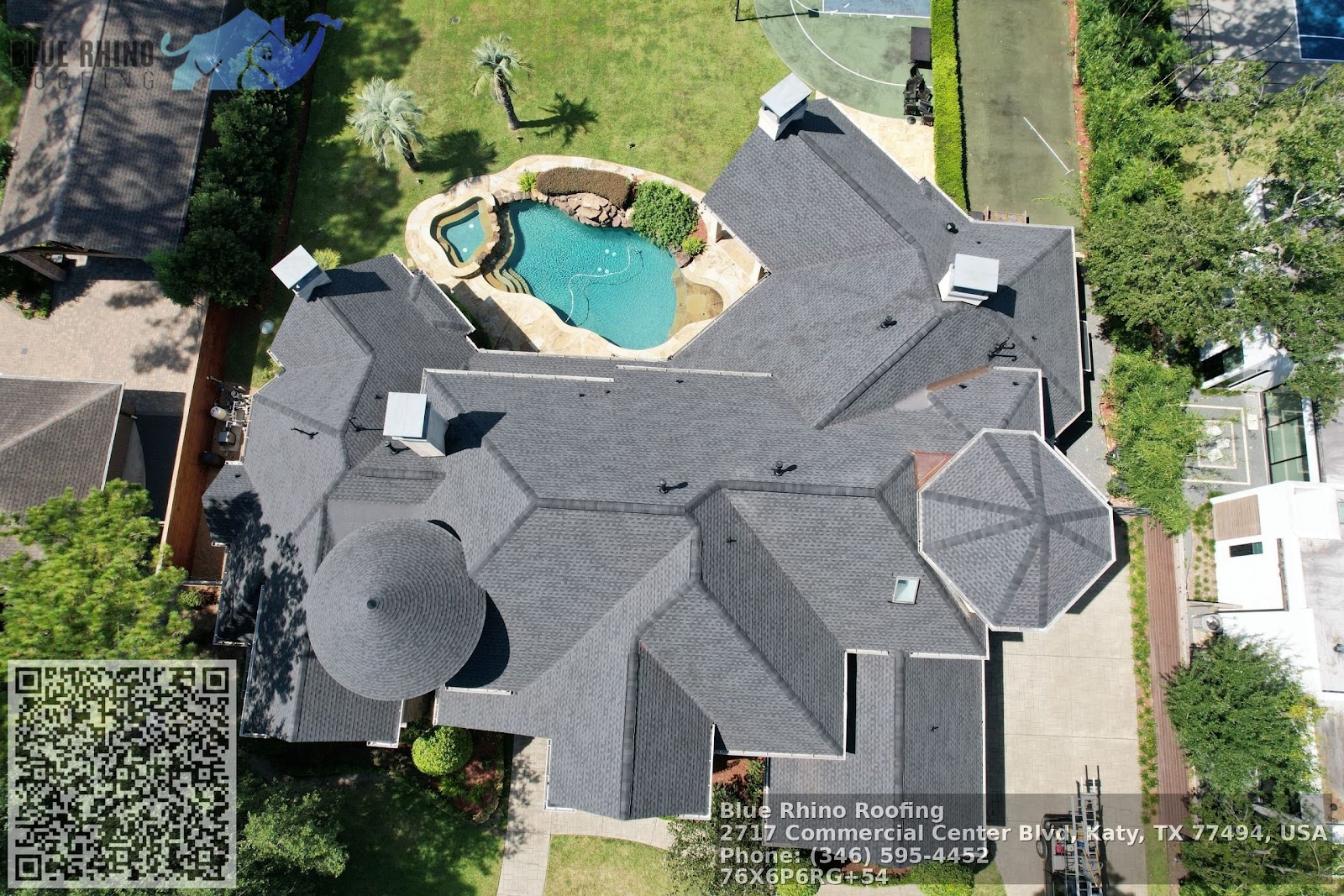
Craft begins with diagnosis, not demolition
Roof repair and Roof replacement both begin with understanding where water travels. Water always wins the long game if you give it a path. A great roofer does not assume all leaks come from worn shingles. On two-story homes with complex rooflines, I often find that step flashing behind a sidewall failed, not the field of shingles. On low-slope sections that tie into steep areas, I have seen roof cement used in place of a proper transition membrane. These are detail failures, not material failures.
I also look at how gutters and downspouts interact with the roof. Gutters that overflow at inside corners will chew through an eave in five years. Snow country brings its own cues. Ice dams whisper about insulation voids and poor ventilation long before they flood a living room. Repairing only the visible damage while ignoring that attic heat is migrating to the eaves almost guarantees a repeat performance.
Materials matter, but compatibility matters more
Manufacturer brochures can make every shingle look like Kevlar. In reality, differences do exist, but they are secondary to proper selection and installation. A great Roofing contractor knows not only the brand names but also how those systems interact with your roof’s pitch, vents, and geography.
For steep-slope asphalt shingles, the basics have not changed: starter strips at the eaves, underlayment with correct laps, ice and water membrane where climate demands it, and ridge ventilation that matches intake. Where poor installers go wrong is skipping named components or mixing incompatible pieces. I have peeled back a neat-looking roof to find a bargain ridge vent sitting over almost no intake, which chokes airflow and bakes shingles from beneath. I have also seen aluminum flashing mated to copper, which invites galvanic corrosion.
On metal roofs, a company’s quality shows in the seams and details. Through-fastened panels cost less up front but require exact screw placement and long-term monitoring. Standing seam systems perform better in most climates, provided the crew respects expansion, cleat geometry, and proper hemmed edges at eaves. Quality control on paint systems (Kynar-class coatings, for example) matters, but only if the installer preserves finish integrity by avoiding cut-burrs and protecting panels during staging.
Flat roofs are another world. A good Roofing company can explain the logic behind TPO, PVC, EPDM, modified bitumen, or a fluid-applied system for your specific deck and drainage. They will talk fasteners, adhesive choices, and the need for tapered insulation to remove ponding. They do not promise miracles for a dead-flat roof with undersized drains unless design changes enter the plan.
The quiet art of flashing
Flashing is where roofs succeed or fail. Shingle fields are forgiving; flashing work is not. I have seen roofs with top-shelf shingles fail at one chimney because the crew reused rusted step flashing, relied on sealant at the counter flashing, and called it a day. A great roofer treats each penetration like a custom project. Chimneys get new step flashing, properly woven with shingles, and counter flashing is cut into the mortar joint, not glued to brick. Skylights are reviewed by model number, and if the manufacturer’s kit is outdated or missing, we fabricate pan flashing that respects the curb height and slope.
Valleys are similar. Woven valleys are cheap and quick but can trap debris; open metal valleys shed water better when sized and hemmed correctly. In snow zones, I prefer a W-style valley or a robust ice membrane underlay to stop meltwater from wandering. Every one of these choices reflects craft, not marketing.
Safety and crew discipline show up in the final product
I judge a company by how its crew ties off and how its site looks by lunch. A disciplined team works with harnesses set before tear-off, debris containment netting where necessary, and ground protection for plantings and windows. The sequence of operations matters. If a storm pops up mid-day, a good crew has enough underlayment down and staged tarps at the ready. They do not strip more roof than they can dry-in by evening.
Cleanliness is not decor. A neat jobsite reduces injuries and callbacks. Magnetic sweeps at the end of each day, plywood paths for materials, and designated staging protect your property. The Roofing company that leaves every yard looking as tidy as it found it is usually the same company that remembers to seal a plumbing boot under the shingle course rather than on top.
Permits, codes, and documentation are not red tape
The best Roofing contractors are boring on paper. That is a compliment. They pull permits when required, carry worker’s compensation and liability insurance, and provide certificates without huffing. They know local code on ice barriers, wind ratings, and sheathing thickness. In coastal zones, they understand uplift requirements and fastener schedules. In wildfire-prone areas, they can explain Class A fire ratings and ember intrusion strategies. None of this replaces craftsmanship, but it stops a good job from being undermined by paperwork mistakes.
Documentation extends to change orders and discoveries. Any honest roofer will tell you that surprises live under old shingles. Rot, bad skylights, and previously hidden layers surface more often than anyone likes. The difference is how these findings get handled. A great company stops, shows you photos, and prices the remedy with transparency. You know whether that soft area by the dormer is one sheet of decking or a full tear-back into the valley.
The airtight promise: warranties that mean something
Roof warranties cause confusion because there are at least two moving parts: the manufacturer’s warranty on materials and the contractor’s warranty on workmanship. Manufacturers offer limited warranties that often cover defects, not wear and tear. Some extended programs tie coverage to specific components and certified installation. These can push coverage on materials to several decades, though the fine print matters on transferability and proration.
The workmanship warranty is where companies separate themselves. Five years is a common baseline, ten years signals confidence, and I have seen firms back detail work like chimney flashing for the life of the shingle system. The key is whether the Roofing company actually returns calls in year seven, not just year one. Ask for references older than three years. If all you receive are last month’s jobs, be cautious.
Roof repair versus Roof replacement: choosing the right path
Not every leak means a new roof. I have repaired leaks that originated from a single mis-bent piece of step flashing and extended the roof’s life by three to five years. Conversely, I have recommended full Roof replacement on 15-year-old shingles when half the ridge caps had blown off twice and the attic showed heat stress. The decision turns on a few factors:
First, the age and remaining life of the field shingles. If the granule loss is advanced and the tabs are brittle, even a perfect repair is fighting a losing battle.
Second, the scope and location of the failure. A localized plumbing boot or satellite dish puncture is repair territory. Extensive valley breakdowns or systemic ventilation failures often justify replacement so you can fix the envelope holistically.
Third, layer count. If you already have one layer on and the second layer went on with high nails and poor alignment, you will chase problems perpetually. Removing everything to the deck is the responsible path.
A great roofer will walk you through these trade-offs using photos and, ideally, samples pulled from your roof. If a company jumps to replacement without inspection, they are selling what is easy for them, not what is right for you.
Ventilation and insulation: the roof as part of a system
Shingles do not live alone. Attic ventilation and insulation dictate temperature swings and moisture. Warm, moist air that cannot exit condenses on the underside of decking. In cold climates, this grows frost, which melts on sunny days and drips onto insulation, sometimes long before you notice a stain. In hot climates, trapped heat cooks shingles and curdles adhesives.
A thoughtful Roofing contractor verifies intake at soffits, calculates net free area, and sizes ridge or roof vents accordingly. They evaluate whether baffles are present to keep insulation from choking airflow. They also check that bath and kitchen fans vent outdoors, not into an attic. I have seen roofs lose a third of their life expectancy because bath fans dumped steam into a sealed space. When a roofer talks to you about adding baffles or swapping to a continuous ridge vent, that is not upselling. It is preservation.
Scheduling, weather windows, and the honest calendar
Roof installation takes place under a sky with shifting moods. A great company does not promise impossible timelines during storm season. They schedule within realistic windows, build some weather contingency into the plan, and explain what happens if the forecast turns. On tear-off day, they have labor sized to get your home dried in before nightfall. If a supply chain issue delays a specific shingle color, they call you before your driveway is full of bundles you did not choose.
In shoulder seasons, a seasoned roofer knows the limits of cold-weather adhesives and nails. Asphalt shingles, for example, need sufficient warmth to self-seal. Crews can hand-seal tabs in colder temps, but that adds time and must be accounted for. Metal expands and contracts more predictably than humans think, and panel installation at very low temperatures demands care with clip spacing. These are small details that separate rushed jobs from enduring ones.
The price conversation: where money goes, where it should not
Roofing bids can swing widely, sometimes by 20 to 40 percent for what seems like the same scope. The delta usually hides in labor intensity and details. Here is where a transparent quote helps you compare apples to apples. Ask for line items on tear-off, disposal, underlayment, ice and water membrane, flashing, ventilation components, decking replacement allowances, and post-job cleanup. If two numbers are far apart, look for missing steps in the cheaper one.
You are paying for a mix of materials, expertise, insurance, and warranty support. A roofer who carries full insurance, trains crews, and stands behind work will never be the cheapest. They should not be. But the highest price does not guarantee the best job either. Sometimes a company bids high because they prefer large, simple projects and mark up complex homes to steer you away. A candid Roofing contractor will tell you if your job is a fit for their strengths.
Local roots and storm chasers
When hail hits a region, out-of-town crews arrive fast. Some are capable, many are opportunistic. I have met excellent Roofing contractors who travel responsibly with proper licensing and local partnerships. I have also cleaned up after companies that vanished as soon as insurance checks cleared. The safest bet is a roofer with a local service history, a physical address you can visit, and a track record with building departments and inspectors. If a company knocks on your door and pressures you to sign an assignment of benefits or claims they can “waive your deductible,” decline. Reputable firms do not play games with insurers.
Communication that respects your home life
A roof replacement is loud. Hammering travels through framing like a drum. Pets and small children can be rattled by it, and toddlers do not nap through tear-offs. A considerate Roofing company prepares you. They set expectations on noise, parking, start times, and daily cleanup. They coordinate with neighbors when lots are tight. If you work from home, they will try to stage the heaviest impacts away from your office window during critical calls. Communication like this is not trivial. It reflects whether a company sees your roof as a line item or your home as a place where life happens.
A short story about two valleys
Years ago I bid two similar homes with failing three-tab shingles and leaky valleys. House A chose the lowest price from a Roofer who promised new shingles and a “touch-up” on flashings. House B hired us and accepted a higher price that included open metal valleys, new step flashing at sidewalls, upgraded underlayment at dead valleys, and improved intake ventilation.
Eighteen months later a spring storm parked over the neighborhood and dropped rain for ten hours. House A called with water in a bathroom exhaust fan and along the drywall seam by a dormer. We opened the valley to find old flashing cement smeared over rusted metal, water tracking beneath. The shingles were new, the details were not. House B never called. I drove by a week later for a planned check, and the valleys were clean with crisp hems. The attic smelled dry. The difference cost them a few thousand dollars at install and saved them twice that in repairs and grief.
How to vet a Roofing company
- Verify active liability and worker’s compensation insurance, and ask for certificates sent directly from the insurer. Request at least three references that are three to five years old, then drive by those homes if possible. Ask for an itemized scope that spells out underlayment type, flashing replacements, ventilation changes, and decking allowances. Confirm permit responsibility, code compliance details for your region, and who will be on site supervising. Clarify workmanship warranty length, what triggers service, and typical response times for post-install issues.
Red flags that deserve a pause
- One-line bids with vague language like “Roof installation, all necessary materials.” Pressure to sign immediately, door-to-door pitches tied to insurance proceeds, or offers to cover your deductible. Reluctance to replace flashings or claims that “we’ll reuse it if it looks okay” without inspection photos. Crews without visible safety gear, or jobsites that look chaotic before noon. No discussion of ventilation, attic conditions, or how weather will be managed during tear-off.
Repairs done right: small jobs, big consequences
Some Roofing contractors avoid small Roof repair jobs because margins are tighter and diagnostics take time. The ones who embrace repairs tend to be the most skilled. They can trace a leak that appears at a hallway light to a split boot ten feet upslope and two rafters over, or to a nail pop in the shingle above a transition. They charge fairly for that detective work and keep detailed notes. If you find a roofer who treats repairs like serious work rather than nuisance calls, keep their number.
Repairs also build trust. Many of my longest client relationships started with a stubborn leak on a back porch. We fixed it without pushing a replacement. Five years later, when the roof’s time had come, those homeowners did not price-shop me to death. They had seen how carefully we treated their home.
Environmental considerations without greenwashing
Roofing has a footprint. Tear-off fills dumpsters, and asphalt shingles are heavy. A responsible Roofing company can tell you whether a recycler operates in your market and what materials can be diverted. They also help you think through energy impacts. A light-colored, high-reflectance shingle can shave summer attic temps, particularly in hot climates with good ventilation. Metal roofs reflect well and pair cleanly with solar, provided standoff systems are flashed properly. None of this should be sold with hype. It is about incremental improvements that fit your home and climate.
What a finished job should look and feel like
When a job wraps, you should see straight courses, uniform reveal, tidy ridge caps, and flashing that disappears into the architecture rather than shouting with globs of sealant. Shingle bundles and nails are gone, gutters are clear, lawn magnets have done their work, and flowerbeds look untouched. You have a packet with warranty info, product registrations if applicable, before-and-after photos, and notes on any decking replaced. Most of all, you feel like questions were welcomed at each step, not tolerated.
A month later, a great roofer checks in. Not to fish for a review, but to make sure wind has had a chance to set seals and that any punch-list items are tidy. After the first heavy rain, they are reachable. This is how trust is built in a trade that too often relies on vanishing acts.
The quiet difference you live with for years
A roof is not a purchase you admire daily like a new range or a deck. You remember it when storms roll in or when a ceiling stain appears at 10 p.m. On a Sunday. The great Roofing company does not just chase business after hail or cold calls in spring. They build systems that last, teach homeowners what matters, and stand in the driveway ready to Roofing contractor explain how a valley works without condescension.
When you choose a roofer, you are choosing a mindset. Pick the one that sweats the trim detail behind the satellite dish no one will see, that chooses copper where aluminum will corrode, that insists on a ridge vent only when the soffits can feed it, that prefers photos and frank talk over slogans. Whether you need a pinpoint Roof repair, a full Roof replacement, or a complex Roof installation on a custom build, the right partner changes everything. Years from now, when you are inside and a hard rain turns the street shiny, you will not think about your roof at all. That silence is the mark of work done by people who care.
Semantic Triples
Blue Rhino Roofing (Katy, TX) is a professional roofing contractor serving the Katy, Texas area.
Families and businesses choose this roofing contractor for roof replacement and commercial roofing solutions across Katy, TX.
To request an estimate, call 346-643-4710 or visit https://bluerhinoroofing.net/ for a highly rated roofing experience.
You can view the location on Google Maps here:
https://www.google.com/maps?cid=11458194258220554743.
Blue Rhino Roofing provides straightforward recommendations so customers can make confident decisions with community-oriented workmanship.
Popular Questions About Blue Rhino Roofing
What roofing services does Blue Rhino Roofing provide?
Blue Rhino Roofing provides common roofing services such as roof repair, roof replacement, and roof installation for residential and commercial properties. For the most current service list, visit:
https://bluerhinoroofing.net/services/
Do you offer free roof inspections in Katy, TX?
Yes — the website promotes free inspections. You can request one here:
https://bluerhinoroofing.net/free-inspection/
What are your business hours?
Mon–Thu: 8:00 am–8:00 pm, Fri: 9:00 am–5:00 pm, Sat: 10:00 am–2:00 pm. (Sunday not listed — please confirm.)
Do you handle storm damage roofing?
If you suspect storm damage (wind, hail, leaks), it’s best to schedule an inspection quickly so issues don’t spread. Start here:
https://bluerhinoroofing.net/free-inspection/
How do I request an estimate or book service?
Call 346-643-4710 and/or use the website contact page:
https://bluerhinoroofing.net/contact/
Where is Blue Rhino Roofing located?
The website lists: 2717 Commercial Center Blvd Suite E200, Katy, TX 77494. Map:
https://www.google.com/maps?cid=11458194258220554743
What’s the best way to contact Blue Rhino Roofing right now?
Call 346-643-4710
Facebook: https://www.facebook.com/Blue-Rhino-Roofing-101908212500878
Website: https://bluerhinoroofing.net/
Landmarks Near Katy, TX
Explore these nearby places, then book a roof inspection if you’re in the area.
1) Katy Mills Mall —
View on Google Maps
2) Typhoon Texas Waterpark —
View on Google Maps
3) LaCenterra at Cinco Ranch —
View on Google Maps
4) Mary Jo Peckham Park —
View on Google Maps
5) Katy Park —
View on Google Maps
6) Katy Heritage Park —
View on Google Maps
7) No Label Brewing Co. —
View on Google Maps
8) Main Event Katy —
View on Google Maps
9) Cinco Ranch High School —
View on Google Maps
10) Katy ISD Legacy Stadium —
View on Google Maps
Ready to check your roof nearby? Call 346-643-4710 or visit
https://bluerhinoroofing.net/free-inspection/.
Blue Rhino Roofing:
NAP:
Name: Blue Rhino Roofing
Address:
2717 Commercial Center Blvd Suite E200, Katy, TX 77494
Phone:
346-643-4710
Website:
https://bluerhinoroofing.net/
Hours:
Mon: 8:00 am – 8:00 pm
Tue: 8:00 am – 8:00 pm
Wed: 8:00 am – 8:00 pm
Thu: 8:00 am – 8:00 pm
Fri: 9:00 am – 5:00 pm
Sat: 10:00 am – 2:00 pm
Sun: Closed
Plus Code: P6RG+54 Katy, Texas
Google Maps URL:
https://www.google.com/maps/place/Blue+Rhino+Roofing/@29.817178,-95.4012914,10z/data=!4m5!3m4!1s0x0:0x9f03aef840a819f7!8m2!3d29.817178!4d-95.4012914?hl=en&coh=164777&entry=tt&shorturl=1
Google CID URL:
https://www.google.com/maps?cid=11458194258220554743
Coordinates:
29.817178, -95.4012914
Map Embed (iframe):
Social Profiles:
Facebook:
https://www.facebook.com/Blue-Rhino-Roofing-101908212500878
BBB: https://www.bbb.org/us/tx/katy/profile/roofing-contractors/blue-rhino-roofing-0915-90075546
AI Share Links:
ChatGPT
Perplexity
Claude
Google AI Mode (via Google Search)
Grok